5 Steps to Reach Your Goal Weight AND Feel Good About It!
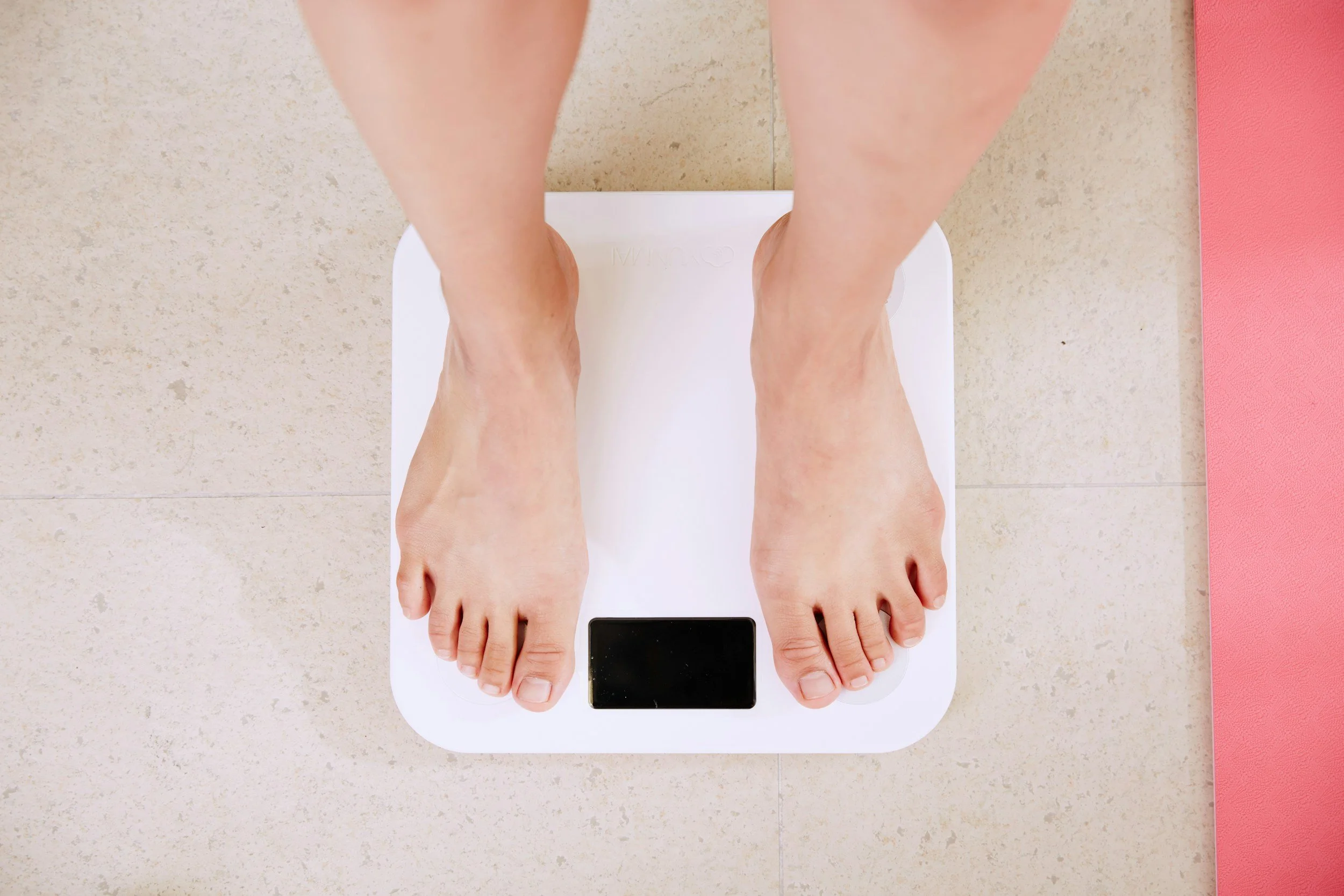
Did you know that a recent study estimates approximately 47% of US adults have attempted to lose weight in the past 12 months? Of those participants, fewer than one-third achieved significant weight loss. By nature, self-reported data can generate skewed outcomes. Nevertheless, it gives us a picture of what many people experience at some point in their lives: the struggle to lose weight and maintain it. If you find yourself nodding along, thinking “yep, that’s me!” then please, keep reading. By the end of this article, I hope you have an actionable plan to help you lose weight in a way that feels healthy and sustainable
*Note: before we go any further…. If you have a history of disordered eating or an unhealthy relationship with calorie counting, skip below to the section called “Plate Pictures.” Eating disorders are serious, and you should not count calories if this is something you have a history with.
1. Create a daily caloric goal.
There are many online resources to calculate this for you. The following method, outlined by trainer Jordan Syatt, is one of the simplest.
Goal weight (lbs) x 12 = Daily Caloric Goal to lose weight at a fairly sustainable rate
Establish a baseline of how many calories you are currently eating. Now, compare that to the goal you’ve just calculated. This comparison will give you an idea of how much of a change this will be to your current lifestyle. If it feels drastic, try taking a week or more to gradually bring yourself into that caloric deficit.
So now that you have your goal, how do you keep track of your calories each day? Measure your food and track it! To streamline this process, I highly recommend using a food scale so you can:
Be precise with your measurements
Create less dirty dishes!
You’ll want to track everything, from the olive oil you use to sauté your veggies, to the creamer in your coffee, to the bites you take off your toddler’s plate. This will take time at first; look at it as a tool to help you understand portion sizes moving forward. If you stick to similar meals/snacks on a regular basis and rotate through them, you won’t have to do as much measuring. Eventually, you won’t have to track at all and can simply eat mindfully! There are many mobile apps you can use to do this more efficiently, including the training app I use with my clients.
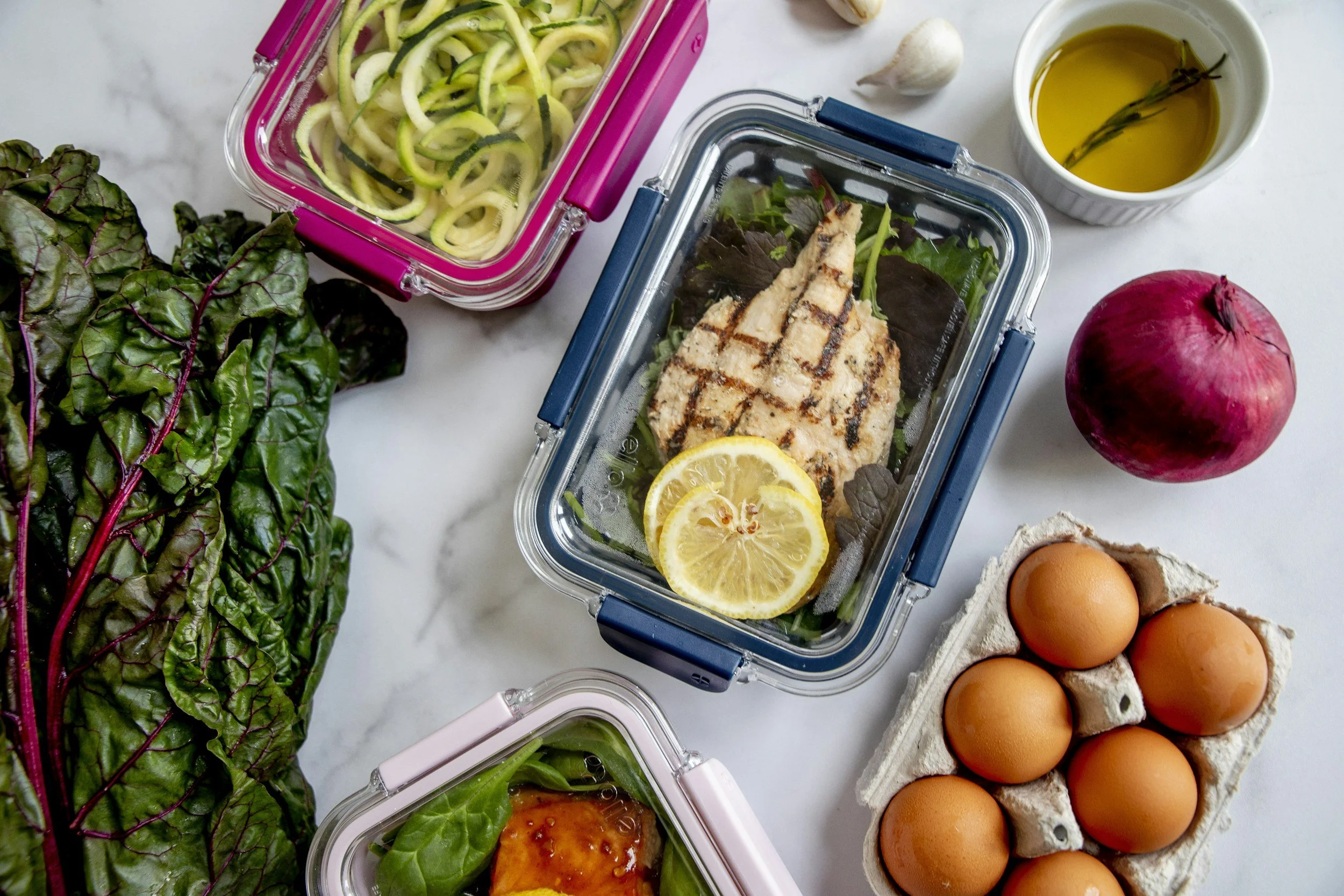
Picture Plates: If counting calories is triggering due to a history of disordered eating, I 10000% understand. I’ve been there, and am very cautious about using the calorie-counting method myself. If this resonates with you, avoid the tracking method altogether and use the Picture Plate method! Take pictures of your food/drinks to act as a diary, and simply make note of protein grams so you know if you are hitting your daily protein goal. You will have photos to reflect on portion sizes, snacks, food choices etc. (This is also an option in the MBF training app). Try to stick to a framework that works for you. Here are some examples:
5 small plates a day with no snacks
3 medium sized plates with two snacks
4 small/medium plates with one snack
When you eventually reach your goal weight, you will no longer be putting yourself in a caloric deficit. You will eat the calories needed to maintain your weight. During the phase of being in a caloric deficit, you might feel hungry at times. This is normal; a little bit of hunger is expected because it means your body is truly in a deficit. However, you should not be starving or constantly thinking about food. If that is the case, add 200-300 more calories to your daily goal and see how you feel.
2. Increase your protein & fiber intake.
If I had to pick two additional data points to track, I’d pick protein and fiber. What does protein do for your body? Protein helps you build muscle, stay full longer, strengthen connective tissues, and more. Many experts in the fitness and nutrition industry view the current RDA of 0.36g of protein per lb of bodyweight to be significantly lower than it should be. Instead, you should aim for 0.7 - 1.1 g of protein per lb of your goal bodyweight. For example, a goal protein intake for a 150 lb woman would be 105g- 165g of protein per day. This could very likely be more than what you are currently consuming. Do your best to simply work your way towards more protein– you do not need to hit these numbers overnight!
Can eating more protein harm your kidneys? Generally, it is safe and very beneficial to increase your protein intake toward these amounts. If you have a pre-existing kidney condition, consult with your doctor on how much protein you should be consuming.
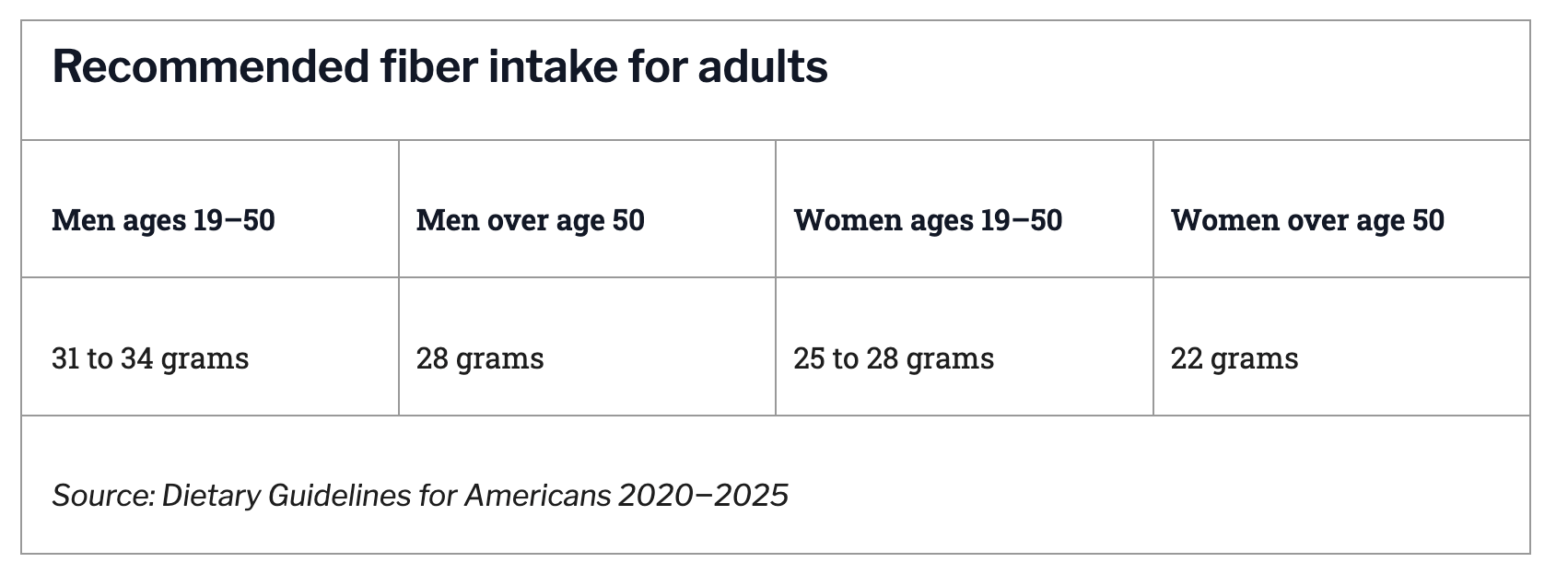
Why fiber? Fiber is a type of carbohydrate that is not broken down as it travels through your system. It helps to regulate digestion, improve heart health, control blood sugar, and maintain a healthy bodyweight by keeping you full longer. To learn more about fiber, check out this article by Harvard Health.
3. Lift weights three times per week.
Strength training and challenging yourself with heavier weightlifting is one of the best things you can do for your body, especially as you move past your 30th birthday. A proper strength training program can help you build muscle and decrease fat. In turn, this will improve your performance, boost your metabolism, increase your insulin sensitivity, strengthen your bones, and more.
How heavy should I be lifting? Generally speaking, I encourage you to feel tired by the last repetition. When selecting weight or intensity level, choose something that you can confidently the set repetitions with good form, while still having 1-2 "reps in reserve" at the end. You might not be able to stick with the same weight or reps for each set, and that is fine! Listen to your body.
Rachel’s general guidelines:
6-8 rep range = heavier weight selection (Longer rest time; Approx 2 - 5 min. between sets)
Try lifting in this range for compound movements like squats, dead lifts, bench presses, and rows.
8-12 rep range = More moderate weight selection (Moderate rest time; Approx 30-90 seconds between sets)
Try lifting in this range for more isolated movements, such as overhead presses, bicep curls, and tricep kickbacks.
>12 reps range = lighter weight selection (Shorter rest time; Approx 30 seconds between sets)
Try performing this rep range for bodyweight exercises to improve muscular endurance, such as core work, calf raises, mobility exercises, etc.
4. Walk more, sit less.
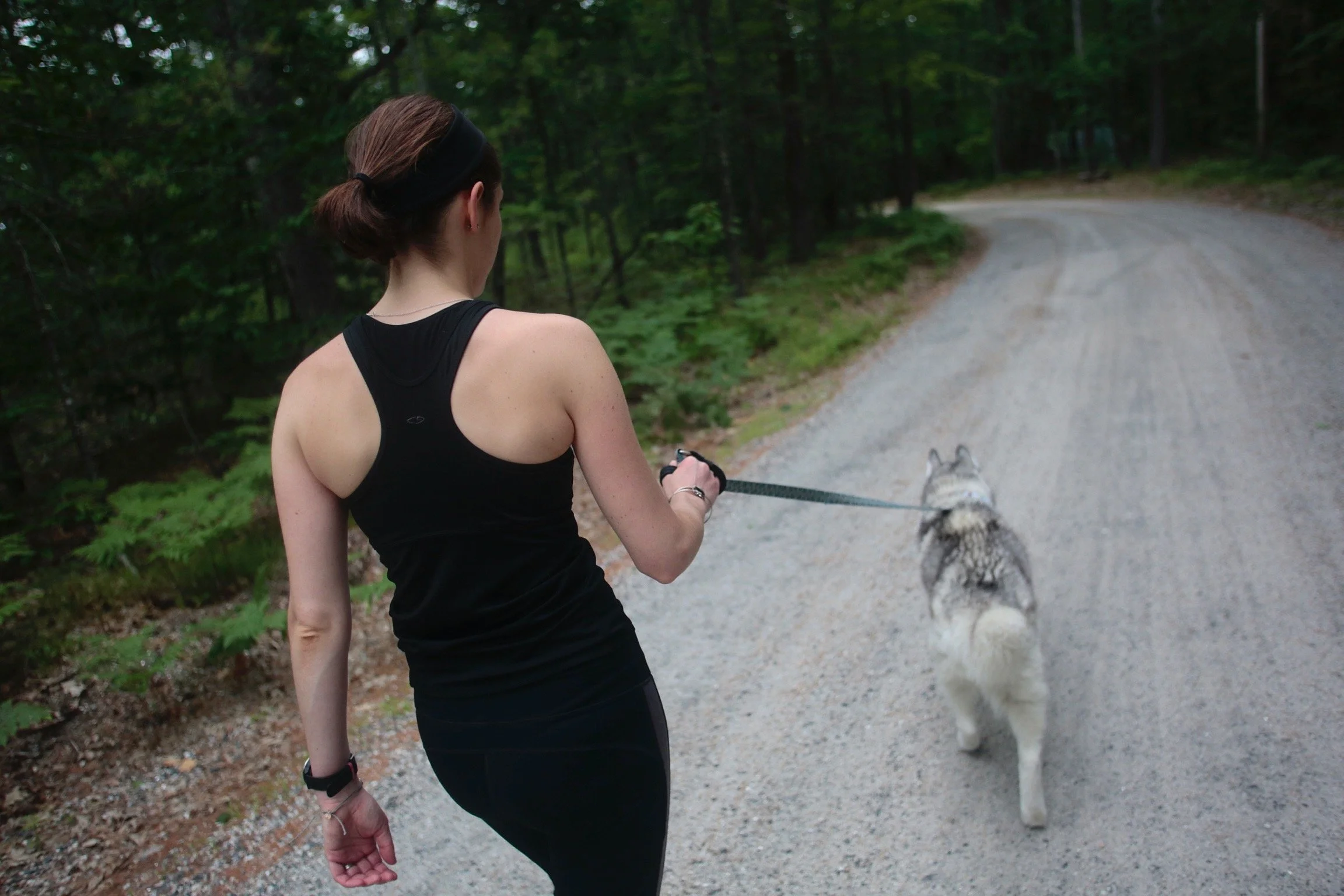
The more movement you can accrue throughout the day, the better! We live in a sedentary world, so it takes more effort for most of us to be active. Walking is one of the best exercises you can do for your body. Taking a brisk walk for 30 minutes most days of the week can help improve cardiovascular function, increase insulin sensitivity, curb cravings, improve mood, increase energy, decrease joint pain, and burn extra calories. You can get the same benefits with other types of Zone 2 cardio, such as biking, running, elliptical/cardio machines, etc.
What is Zone 2 cardio? This level of intensity should put you at a rating of 3-4 out of 10 on the RPE (rate of perceived exertion) scale. This means that you will feel somewhat breathy while exercising, but not totally breathless. If you are talking to a friend, you would likely have to take a deep breath every few phrases.
There is a time and place for higher intensity levels of cardio, but for the purpose of getting started with weight loss, let’s not over complicate things.
5. Mindset matters:
You can’t fail at this! Have you ever tried to brush your teeth regularly and failed? Yes, I know that question sounds silly… but making healthy lifestyle changes should not feel like something to succeed or fail at. It should feel like a positive commitment to yourself that eventually becomes a part of your daily routine.
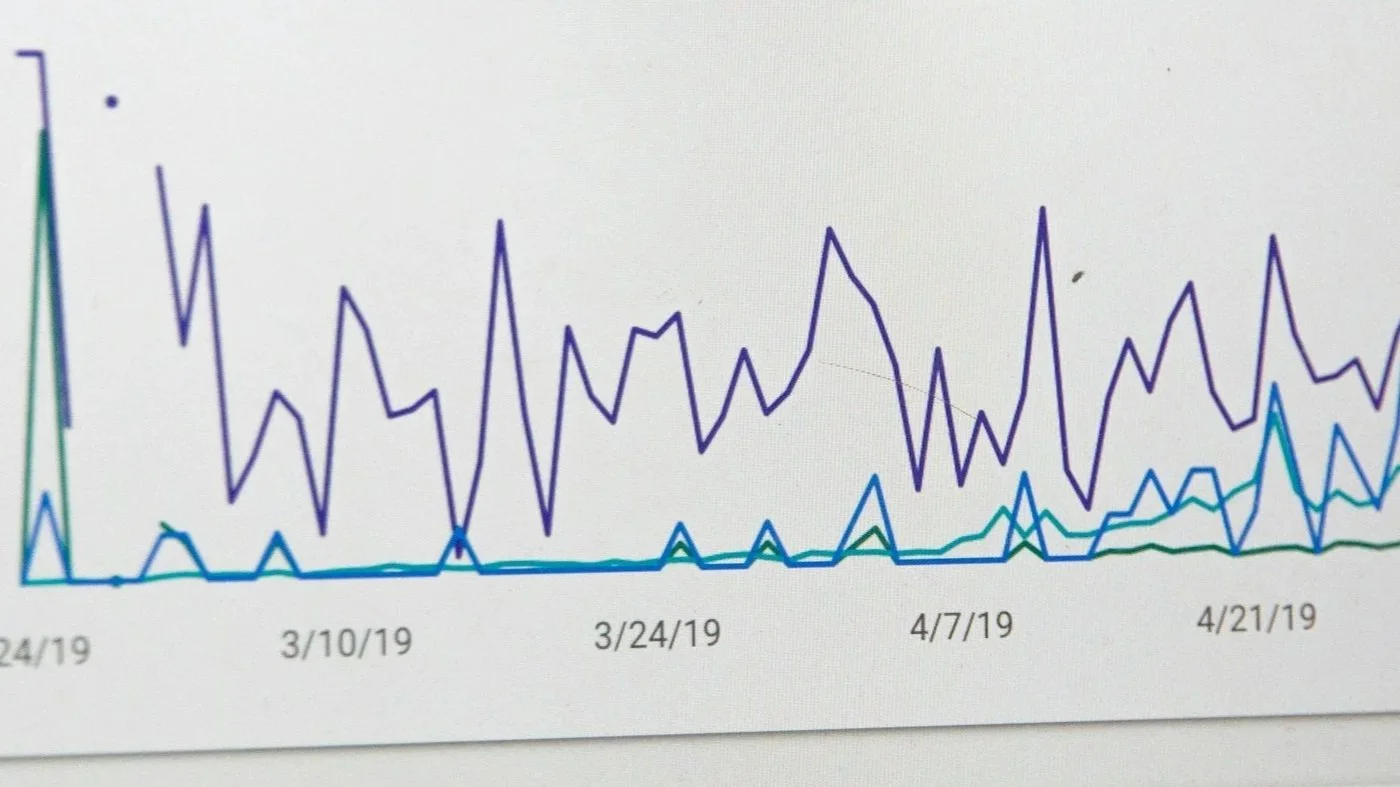
Something to remember: Your progress will NOT be linear! I strongly advise you to assess your progress on a monthly basis rather than a weekly basis. If you expect your weight loss progress to be steady and continuous … think again. Some weeks you might lose weight, some you might not. Looking at the overall monthly trend will help keep your morale high. If you want to assess progress on a weekly basis, look at consistency rather than numbers on the scale.
Have you hit your strength workouts this week?
Have you felt confident in your food choices?
Did you walk more and sit less?
Did you make an effort to eat more protein?
Do you feel less stressed?
Are you sleeping better?
Has your blood pressure improved?
These are just some of the many ways you can track progress outside of the scale. In fact, I encourage you to celebrate these wins above all else and view the scale as a neutral data point.
So, what do you think? Stop planning (or procrastinating….) and take action!